admin
admin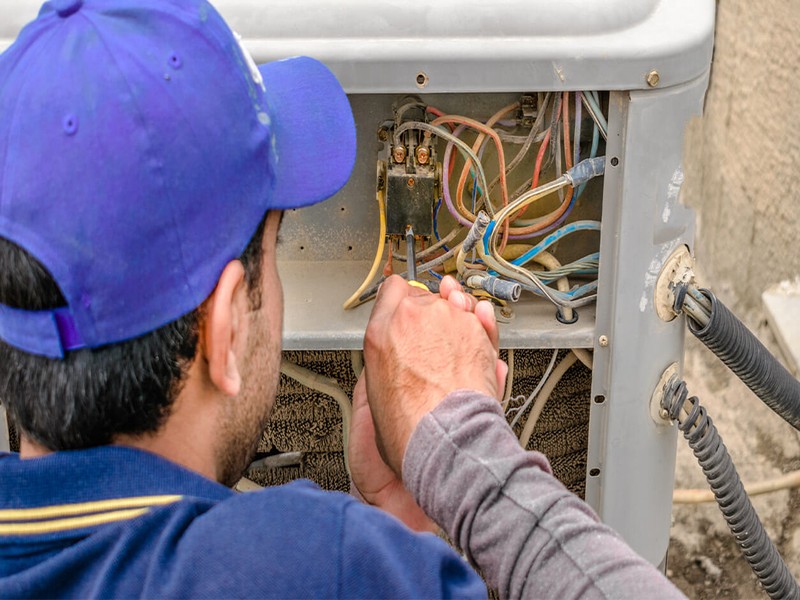
A seasonal inspection checklist from a professional HVAC contractor is essential to ensure heating, ventilation, and air conditioning systems operate efficiently throughout the year. Regular inspections help identify potential issues early, prolong equipment lifespan, and maintain indoor comfort while reducing energy costs. A thorough examination begins with evaluating the system’s overall condition, including checking for any visible signs of wear or damage on components such as belts, motors, and electrical connections. The technician will assess the thermostat settings to confirm they align with seasonal needs and verify that the controls respond appropriately.
Next, attention turns to cleaning critical parts like filters, coils, and condensate drains. Dirty filters restrict airflow and reduce efficiency; replacing or cleaning them improves performance significantly. Evaporator and condenser coils accumulate dirt over time which impairs heat exchange capabilities; professional cleaning restores optimal function. Clearing clogged condensate drains prevents water damage and mold growth inside the unit or home.
The inspection also involves testing refrigerant levels since improper charge can lead to insufficient cooling or heating contractor while stressing system components. Low refrigerant may indicate leaks requiring prompt repair by a certified technician who can safely handle refrigerants according to environmental regulations. Electrical connections are examined carefully for tightness and corrosion because loose wiring poses safety hazards and causes intermittent operation or failure.
Evaluating airflow within ductwork is another important step during a seasonal checkup. Leaks in ducts waste conditioned air leading to uneven temperatures across rooms; sealing these leaks enhances comfort while lowering utility bills. The contractor may also inspect insulation around ducts ensuring minimal thermal loss during distribution.
For heating systems specifically used in colder months, inspecting burners for proper ignition along with examining heat exchangers for cracks ensures safe operation without carbon monoxide risks. Similarly, cooling systems require verification that fans spin freely without obstruction or excessive noise indicating mechanical issues needing repair.
Professional HVAC contractors often recommend scheduling inspections twice yearly-once before summer starts focusing on air conditioning readiness and once before winter emphasizing heating preparation-to avoid unexpected breakdowns during peak seasons when demand surges.
Following this comprehensive checklist guarantees that HVAC units run smoothly all year long while maintaining indoor air quality through clean filters and properly functioning ventilation components. Homeowners benefit from improved system reliability alongside reduced maintenance costs due to early detection of problems by trained professionals equipped with specialized tools.
In summary, engaging an expert for routine seasonal inspections covers multiple facets including mechanical integrity checks, cleanliness assessments of key parts like coils and filters, refrigerant level verification coupled with leak detection efforts plus electrical safety evaluations combined with ductwork analysis aimed at optimizing airflow distribution throughout living spaces ultimately promoting efficient climate control regardless of external weather conditions thereby enhancing comfort while safeguarding investment in HVAC equipment over its operational lifetime.