admin
admin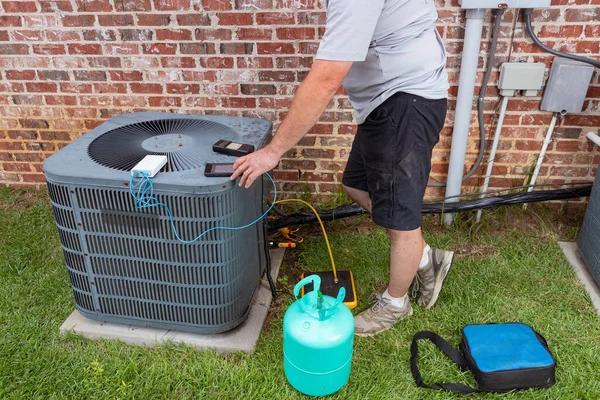
Maintaining your HVAC system in the Pacific Northwest requires a strategic approach due to the region’s unique climate. The area is known for its wet, mild winters and dry, warm summers, which can place varying demands on heating and cooling systems. To ensure longevity and efficiency, homeowners must adopt smart maintenance practices tailored to these conditions.
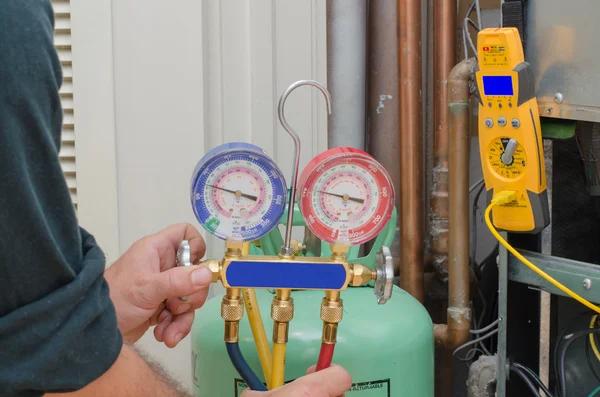
Firstly, regular inspections are crucial. Scheduling bi-annual check-ups with a professional technician can help identify potential issues before they escalate into costly repairs. During these inspections, technicians will typically clean components like coils and filters that tend to accumulate dirt over time. This buildup can significantly reduce efficiency if left unchecked, causing your system to work harder than necessary.
Reliable HVAC services in Auburn, WA addition to professional inspections, homeowners should regularly replace or clean air filters themselves. In the Pacific Northwest’s damp climate, filters can become clogged faster due to increased moisture levels in the air. A monthly check of your filter’s condition during peak usage seasons—summer for cooling and winter for heating—can prevent airflow restrictions that lead to higher energy bills.
Next on the list is ensuring proper insulation throughout your home. Good insulation helps maintain desired indoor temperatures without over-relying on HVAC systems. Check windows and doors for drafts that could compromise heating or cooling efforts; sealing any leaks with weather stripping or caulk can make a significant difference.
Another vital aspect of HVAC maintenance is managing humidity levels inside your home. The Pacific Northwest’s rainy season often results in high indoor humidity levels that can strain HVAC systems as they work overtime to regulate comfort levels. Using dehumidifiers during wetter months not only eases this burden but also enhances indoor air quality by reducing mold growth risks.
Thermostat management plays an essential role too. Investing in a programmable thermostat allows you more precise control over temperature settings based on daily routines or seasonal changes—a particularly useful feature given the region’s fluctuating weather patterns.
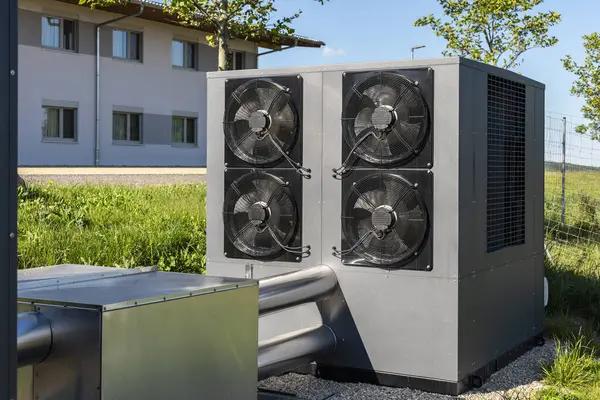
Outdoor units require attention as well; debris such as leaves or branches commonly accumulates around them during fall storms typical of this region. Keeping these areas clear ensures unobstructed airflow critical for optimal performance.
Lastly, consider conducting an energy audit through local utility companies offering such services at minimal costs—or sometimes even free—as part of their customer support programs aimed at promoting energy-efficient practices among residents across different climatic zones including ours here in PNW where unpredictable weather shifts demand proactive solutions from all stakeholders involved starting right within our homes’ very own walls!