admin
admin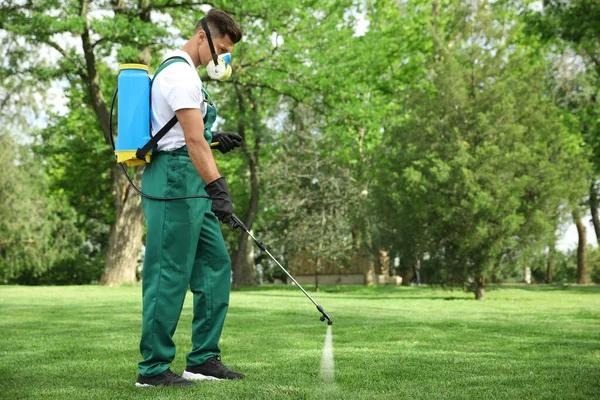
Maintaining a healthy green yard requires consistent care and attention to several important lawn treatment practices. One of the fundamental steps in achieving a vibrant lawn is understanding the soil condition. Before applying any treatments, it’s essential to test the soil’s pH level and nutrient content. Soil testing kits are readily available and provide valuable insights that help determine if your lawn needs lime, fertilizer, or other amendments. Proper soil balance ensures grass roots can absorb nutrients effectively, promoting strong growth.
Watering plays a crucial role in lawn health. It is best to water deeply but infrequently rather than shallowly and often. Deep watering encourages roots to grow deeper into the soil, making the grass more drought-resistant and robust against stress. Early morning is the ideal time for watering because it reduces evaporation loss and allows grass blades to dry throughout the day, minimizing disease risk.
Mowing techniques significantly impact the appearance and vitality of your yard. Keeping mower blades sharp prevents tearing grass leaves, which can cause damage and increase vulnerability to pests or diseases. Adjusting mower height according to grass type helps maintain optimal leaf length; cutting too short weakens turf while leaving it too long may encourage weed growth. Regular mowing with proper blade height promotes dense turf that naturally crowds out weeds.
Fertilization provides essential nutrients necessary for lush green growth but must be applied thoughtfully based on seasonal needs and specific lawn requirements identified through soil testing. Over-fertilizing can burn grass or lead to excessive growth requiring frequent mowing, while under-fertilizing results in weak lawns prone to pests or disease invasion.
Aeration improves air exchange between roots and soil by creating small holes that relieve compaction caused by foot traffic or heavy equipment use. This process enhances water infiltration, nutrient absorption, and root development leading to healthier turf overall.
Controlling weeds early prevents them from competing with desired grasses for resources such as sunlight, water, and nutrients. Using pre-emergent herbicides during early Late Spring Treatment stops weed seeds from germinating while post-emergent options target existing weeds without harming your lawn if applied correctly.
Lastly, monitoring for pests like grubs or fungal diseases enables timely intervention before significant damage occurs. Integrated pest management strategies combining cultural practices with targeted treatments reduce reliance on chemicals while maintaining ecological balance within your yard ecosystem.
By following these practical tips-testing soils regularly, watering wisely, mowing properly, fertilizing appropriately, aerating annually, managing weeds proactively-and staying vigilant about pest control you can enjoy a consistently healthy green yard year-round that enhances both curb appeal and outdoor living enjoyment.