
 admin
admin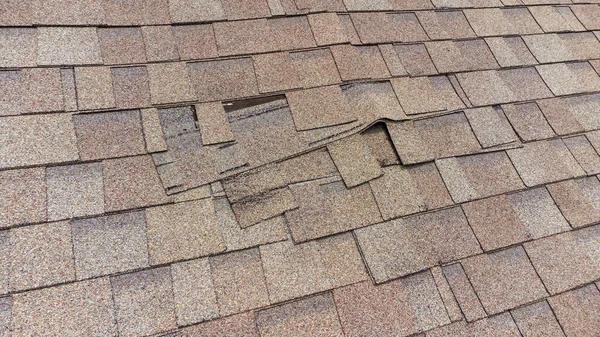
After a nor’easter rolls through, the aftermath can leave homeowners with significant concerns, particularly regarding the integrity of their roofs. These powerful storms often bring heavy snowfall or rain, strong winds, and icy conditions that can wreak havoc on residential properties. Conducting a thorough roof inspection after such an event is crucial to ensure your home remains safe and secure from potential wind damage.
The roof serves as the primary shield against harsh weather conditions. When high winds strike during a nor’easter, they can lift shingles, cause debris to collide with roofing materials, and even lead to structural damage if not promptly addressed. Therefore, post-storm inspections are essential in identifying any immediate repairs needed to maintain the roof’s integrity.
Begin by conducting wind damage roof inspection after a nor’easter from the ground level. Look for any obvious signs of damage such as missing or displaced shingles, sagging areas on the roofline, or visible debris accumulation. Pay close attention to areas where different sections of your roof meet; these joints are particularly vulnerable during high winds. Binoculars can be helpful in getting a closer look without needing to climb onto the roof itself.
If you feel comfortable and it is safe to do so, consider using a ladder for a closer examination but exercise caution due to potentially slippery surfaces caused by ice or water. Check for loose nails or damaged flashing around chimneys and vents which could allow water seepage if left unattended.
While inspecting gutters and downspouts may seem unrelated at first glance, they play an integral role in protecting your home’s foundation by directing water away efficiently. Ensure these systems remain intact without clogs from leaves or other storm debris that might have accumulated during the nor’easter.
