admin
admin
Maintaining a healthy plumbing system is crucial for every homeowner, and one of the key aspects to consider is water pressure. Unchecked water pressure can lead to significant plumbing damage over time, resulting in costly repairs and potential structural issues within your home. By regularly monitoring and managing your home’s water pressure, you can prevent these problems from arising.
Water pressure refers to the force at which water flows through your pipes, typically measured in pounds per square inch (psi). Normal residential water pressure should range between 40 to 60 psi. When the pressure exceeds this range, it increases the risk of leaks, burst pipes, and appliance malfunctions. Conversely, low water pressure might indicate blockages or other underlying issues that need addressing.
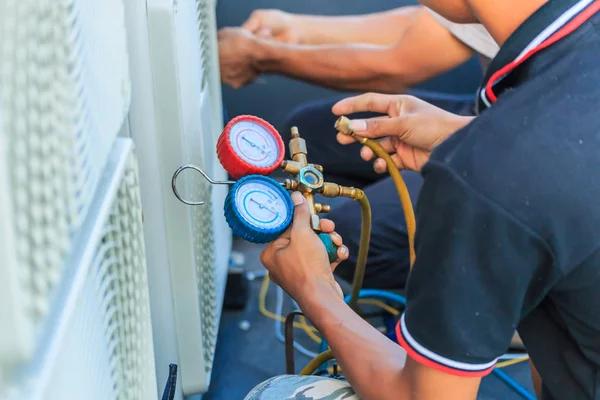
One effective way to monitor your home’s water pressure is by using a simple tool called a pressure gauge. These are readily available at hardware stores and are easy to install on an outdoor faucet or hose bib. To check your water pressure, ensure all faucets and appliances are turned off before attaching the gauge. Once secured tightly onto the faucet or hose bib, turn on the tap fully and observe the reading on the gauge.
If you discover that your home’s see more water pressure is too high—above 60 psi—it may be wise to install a Pressure Reducing Valve (PRV). A PRV helps regulate incoming water flow into your home’s plumbing system by automatically adjusting it downwards if necessary.