admin
admin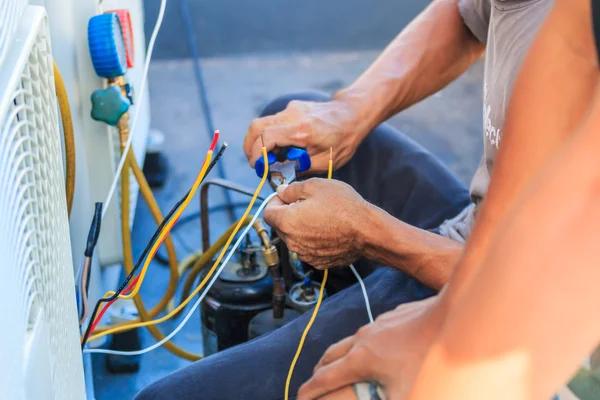
Air conditioning systems are a crucial component in maintaining comfort within homes and offices, especially during sweltering summer months. However, over time, you may notice that your air conditioning system is not performing as efficiently as it once did. This decline in efficiency can lead to higher energy bills and reduced comfort levels. Understanding the reasons behind this loss of efficiency can help you take corrective measures to ensure your system operates optimally.
One common reason for decreased efficiency is a lack of regular maintenance. Air conditioners require periodic servicing to function effectively. Components such as filters, coils, and fins need regular cleaning or replacement because dirt and debris can obstruct airflow, forcing the system to work harder than necessary. A clogged filter alone can reduce an air conditioner’s efficiency by up to 15%, leading to increased energy consumption.
Another factor contributing to inefficiency is refrigerant leaks. Refrigerant is essential for cooling the air; if there is a leak within the system, it will result in insufficient cooling power and cause the unit to run longer cycles without achieving desired temperatures. Not only does read more on this website components but also significantly raises electricity costs.
Aging equipment also plays a significant role in diminishing performance levels. As with any mechanical device, parts wear out over time due to constant usage and exposure to elements like dust and moisture. Older units might not incorporate modern technology designed for better energy conservation which means they naturally lag behind newer models in terms of performance standards.
Thermostat issues may also be at play when an air conditioning system loses its edge on efficiency. If the thermostat isn’t calibrated correctly or malfunctions altogether, it could send incorrect signals about temperature settings causing erratic functioning patterns such as frequent cycling on/off or failing entirely at maintaining set temperatures consistently.
Improper installation should not be overlooked either since it directly affects how well an AC unit performs throughout its lifespan—incorrect sizing relative both space requirements specific heat loads results inefficient operation from day one onward until rectified professionally speaking!
Lastly yet importantly: ductwork problems must considered potential culprits too given they transport cooled/heated airflow around premises ensuring even distribution everywhere needed most times unfortunately leaks blockages occur reducing effectiveness entire setup drastically affecting overall output quality negatively impacting user experience ultimately!
In conclusion addressing these various aspects promptly ensures long-term benefits including improved indoor climate control consistent utility savings prolonging life expectancy respective appliances involved thereby safeguarding investment made initially purchasing installing them begin with making worthwhile endeavor indeed! Regular check-ups timely interventions go long way preserving functionality extending years come ahead providing peace mind knowing everything running smoothly just intended originally envisioned during purchase decision phase itself ultimately enhancing satisfaction derived daily basis living working environments alike much appreciated everyone concerned end day undoubtedly so!